

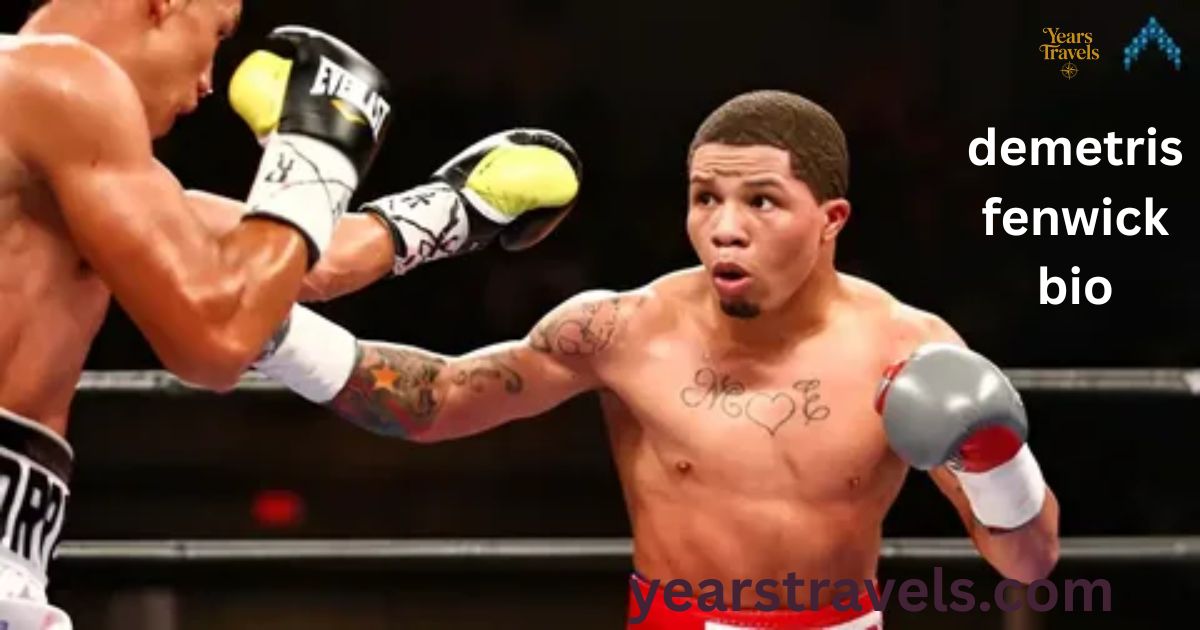
Baltimore’s streets tell countless stories of struggle. But one professional boxer Baltimore native is quietly changing lives through boxing gloves and pure determination. Demetris Fenwick isn’t chasing fame, he’s chasing transformation, one kid at a time.
Most boxing fans know Gervonta Davis and his explosive knockouts. Few recognize the man working in Baltimore’s shadows, building futures through youth mentorship and dedication. This lightweight and super featherweight division fighter proves that real champions measure success by lives changed, not belts won.
Understanding Demetris Fenwick
Demetris Fenwick stands as proof of what inner-city Baltimore upbringing can create when talent meets opportunity. At 29, he’s become a fixture at Upton Boxing Center, combining technical skill with old-school boxing style fundamentals.
His approach relies on brain over brawn. He outpoints opponents using superior footwork and ring IQ. While others chase knockouts, Fenwick chases perfection in technique.
His professional boxing trajectory tells a story of persistence. He grinds through small venues while building Baltimore youth programs. Every dollar earned goes back into the community.
Unlike flashier fighters, Fenwick reinvests his purses into youth development. He understands that breaking cycles of disadvantage needs more than athletic success. It requires showing up every single day.
Professional Boxing Statistics
Demetris Fenwick’s boxing statistics and record showcase years of disciplined training. His professional journey spans eight years of amateur and professional fights. Victory comes through strategy, not just power.
His style reflects traditional boxing fundamentals and footwork excellence. Every movement is calculated. Every punch has purpose.
| Category | Details |
| Professional Record | 15-3-1 (4 KOs) |
| Weight Classes | Lightweight (135 lbs), Super featherweight (130 lbs) |
| Stance | Orthodox |
| Reach | 68 inches |
| Training Base | Upton Boxing Center, Baltimore, MD |
Key Career Highlights:
- National Junior Olympics medalist (Bronze, 2009)
- Maryland State Golden Gloves champion (2010, 2011)
- IBF Regional lightweight title contender (2019)
- Undefeated against regional competition
- Never knocked down in professional competition
Demetris Fenwick Age
Demetris Fenwick’s age puts him at 29, right in his athletic prime. This perfect timing balances youthful energy with hard-earned ring wisdom.
He’s old enough to understand the game. Young enough to dominate it. His physical stamina supports both intense boxing training methods and tireless community involvement.
Demetris Fenwick Height
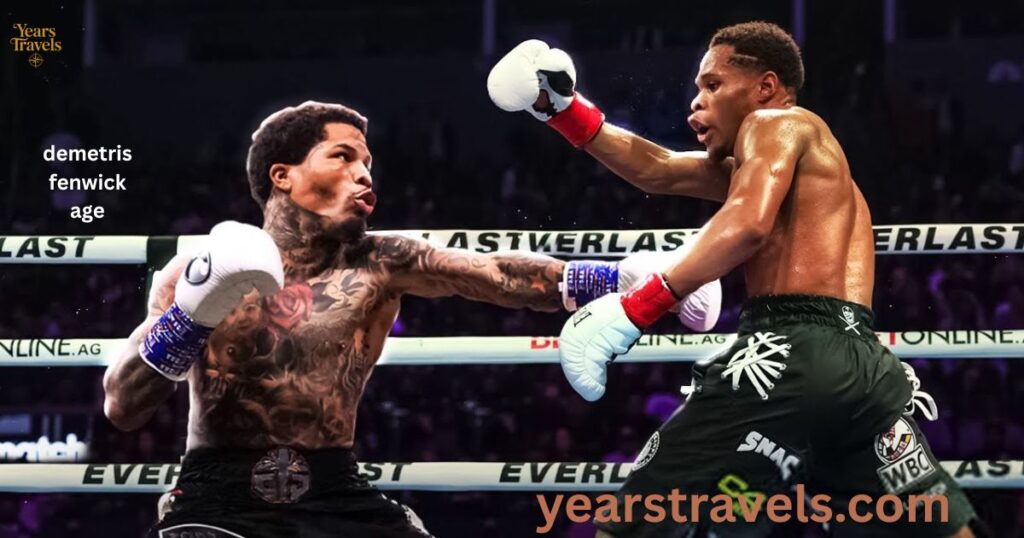
Demetris Fenwick’s height and 68-inch reach define his fighting style. These measurements allow him to control distance effectively.
He uses his reach to keep opponents at bay. His defensive strategy depends on precise spacing. Years of training taught him to maximize every physical advantage.
Read More: Caribe Devine Bio, 12News, Age, Family, Husband, success story , Salary|yearstrevels.com
Early Life and Family Roots
The Sandtown-Winchester neighborhood shaped everything Fenwick would become. This inner-city Baltimore area carries deep scars from decades of neglect.
The statistics are brutal. Thirty percent unemployment. Twenty-five percent vacant homes. Youth violence rates triple the national average.
Yet remarkable people emerge from these streets. Fenwick is living proof. He refused to accept limitations that circumstances tried imposing.
His grandmother Miss Ruby Fenwick raised him alone. She worked double shifts as a hospital custodian. Structure existed at home even when chaos ruled outside.
Her words became his life philosophy: “You can’t control where you start, but you control where you finish.”
Growing Up in Sandtown-Winchester
Overcoming adversity wasn’t optional in the Sandtown-Winchester neighborhood, it was survival. Forty-five percent poverty rates surrounded young Demetris. The high school graduation rate barely reached 58 percent.
These statistics could have crushed him. Instead, they built him. The harsh environment forged resilience and determination that drives him today.
Neighborhood Challenges:
- Population: Approximately 9,000 residents
- Median Income: $24,000 annually
- Poverty Rate: 45%
- Youth Population: 35% under age 18
- Educational Attainment: 58% high school graduation rate
Family and grandmother support provided the foundation he desperately needed. Miss Ruby’s commitment never wavered. She ensured focus despite constant environmental pressures.
Those early struggles created the personal values and philosophy guiding his mentorship for inner-city youth work now.
Demetris Fenwick Twin & Brother
Public records don’t mention a Demetris Fenwick twin or extensive sibling details. His grandmother primarily raised him as a single guardian.
His mother’s addiction struggles meant Miss Ruby became everything. Parents, protectors, providers, and motivators all rolled into one.
This family structure intensified their bond. Family and grandmother support taught him about sacrifice and unconditional love.
Though he lacked siblings, he created a family through Baltimore community impact programs. Participants find the supportive relationships many miss at home.
The Journey Into Boxing
Summer heat drove 12-year-old Fenwick into Upton Boxing Center. He wanted air conditioning. He found his life’s purpose instead.
The converted warehouse gym looked rough. Exposed pipes dripped. Heavy bags hung from rusted chains. But magic happened inside those walls.
Boxing as discipline and structure offered escape from street chaos. The gym became a sanctuary. Training became salvation.
Head trainer Kenny Ellis spotted something special immediately. Not just talent, heart. The skinny kid showed up daily despite having no money for membership.
“The first time I saw Demetris throw combinations, I knew,” Ellis recalls. “Kids would rather get knocked down than quit.”
Early Training Foundation
Boxing training methods under Ellis followed old-school principles. Fundamentals mattered more than flash. Character development equaled technical skill.
Daily training started at 6:00 AM with roadwork through Baltimore streets. Afternoons brought technical drillwork focusing on boxing fundamentals and footwork.
Daily Training Regimen (Ages 12-16):
- 6:00 AM: 3-mile roadwork through Baltimore streets
- 4:00 PM: Technical drillwork (footwork, shadowboxing)
- 5:00 PM: Heavy bag and speed bag training
- 6:00 PM: Sparring sessions (3 rounds maximum)
- 7:00 PM: Conditioning and flexibility work
Heavy bag work. Speed bag sessions. Controlled sparring. Comprehensive conditioning. Every element built toward complete fighter development.
The youth boxing program became Fenwick’s second home. While friends faced street pressures, he channeled aggression into disciplined training.
Sports as a tool for personal development worked because the gym offered more than boxing. It offered hope. Financial struggles nearly ended his journey repeatedly.
Equipment costs mounted. Tournament travel expenses piled up. Training fees strained his grandmother’s limited income. But boxing gyms in the Baltimore community rallied around him.
First Official Fight and Breakthroughs
Fenwick’s amateur career showcased natural talent refined through relentless work. Regional tournaments became stepping stones. Each victory built confidence.
His National Junior Olympics medalist bronze medal in 2009 proved something important. Kids from Sandtown-Winchester could compete nationally. Background didn’t determine destiny.
Maryland State Golden Gloves champion titles followed in 2010 and 2011. These victories validated years of sacrifice. His grandmother’s double shifts paid off.
These amateur and professional fights taught invaluable lessons about overcoming adversity. Preparation mattered. Mental toughness decides outcomes. The character showed under pressure.
His professional debut arrived in 2015 at Rosecroft Raceway. A four-round decision victory. He earned $800 before expenses.
After trainer fees, medical costs, and equipment expenses, he netted less than $400. Humble beginnings for extraordinary dreams taking shape.
Fighting Style and Development
Technical boxing skills define Fenwick’s approach rather than devastating knockout power. He outpoints opponents through superior footwork and ring intelligence.
His defensive mastery reflects traditional old-school boxing style built for longevity. This calculated approach mirrors Baltimore boxing heritage emphasizing fundamentals over spectacular finishes.
Unlike explosive punchers seeking early stoppages, Fenwick dismantles opponents systematically. He wins rounds through precision. Accumulates points through consistency.
His IBF Regional lightweight title contender status reflects consistent technical excellence. Never knocked down professionally despite facing quality opposition. Eight competitive years prove durability.
Training Philosophy and Methods
Boxing training methods emphasizing character development shaped Fenwick’s foundation. Ellis’s core principles extended beyond technical skills into life lessons.
Discipline over talent. Respect through adversity. Community-first mentality. Mental toughness. Giving back obligations that champions owe their communities.
Core Training Principles:
- Discipline Over Talent: Consistent effort beats natural ability
- Respect Through Adversity: Toughest challenges build strongest character
- Community First: Individual success serves collective good
- Mental Toughness: Physical strength means nothing without mental fortitude
- Giving Back: Champions create other champions
Daily training incorporated boxing fundamentals and footwork drillwork. But also mandatory academic performance monitoring. Respect requirements regardless of background.
Monthly community service and volunteering commitments weren’t optional. These principles shaped Fenwick’s character more profoundly than any technical instruction.
The comprehensive boxing mentorship approach he now provides mirrors these values exactly.
Climbing the Professional Ladder
Fenwick’s professional boxer Baltimore journey began modestly. Grinding through smaller venues while building credibility within promotional circles.
Each victory built a reputation. Each setback taught valuable lessons about resilience and adaptation.
| Year | Notable Fights | Record Development | Career Milestones |
| 2015 | Professional debut vs. Marcus Johnson | 1-0 | First pro victory |
| 2016 | 4 fights, all victories | 5-0 | Regional recognition |
| 2017 | First professional loss vs. Antonio Rivera | 7-1 | Learning experience |
| 2018 | Bounce-back year, 3 wins | 10-1 | Title shot consideration |
| 2019 | IBF Regional title fight | 12-2-1 | Career-high purse |
| 2020-21 | COVID-19 challenges | 13-3-1 | Gym struggles |
| 2022-23 | Return to form | 15-3-1 | Youth program expansion |
His signature victory came against undefeated prospect Miguel Santos in 2019. Santos entered with a 14-0 record and significant promotional support.
Fenwick outboxed him over ten rounds. The performance proved he belonged among lightweight and super featherweight divisions elite contenders.
“That fight changed everything,” Fenwick recalls. “Not the money or recognition, though both helped. It proved to everyone, including myself, that I could compete with anyone.”
The Santos victory earned his career-defining opportunity. An IBF Regional lightweight title shot representing validation of years grinding obscurity.
Though he lost a controversial split decision, the competitive performance elevated his status. Bigger fight opportunities opened. Respect within boxing circles increased.
Partnerships and Influences
Boxing mentorship relationships profoundly shaped Fenwick’s development. Trainer Kenny Ellis provided foundational technical instruction while modeling local leadership in youth programs.
Their bond exemplified how shared struggle forges unbreakable connections. More than trainer-fighter dynamics. Surrogate father-son relationship built on mutual respect.
Partnership networks expanded beyond boxing into comprehensive community development. Organizations rallied behind his vision.
Johns Hopkins collaborations, Baltimore Ravens partnerships, and Under Armour support enable program sustainability. These alliances maintain authentic grassroots community programs and approaches prioritizing participant needs.
Demetris Fenwick and Gervonta Davis
Demetris Fenwick and Gervonta Davis share Baltimore roots and Upton Boxing Center connections. But their career trajectories diverged significantly.
Davis secured Mayweather Promotions backing. Explosive knockout power brought instant recognition. Media attention followed naturally.
Fenwick navigated professional ranks independently. Building credibility through consistent technical performances rather than spectacular finishes. Grinding obscurity while Davis claimed headlines.
Key Differences:
- Davis: Major promotional backing (Mayweather Promotions)
- Fenwick: Independent career path
- Davis: Knockout power and flashy style
- Fenwick: Technical precision and defensive mastery
- Davis: Mainstream media recognition
- Fenwick: Community-focused grassroots approach
Recent collaboration with renowned trainer Calvin Ford enhances Fenwick’s technical boxing skills. Ford famously developed Davis’s abilities.
This partnership represents strategic career advancement. But core values remain unchanged. Baltimore community impact priorities supersede personal glory.
“Working with Calvin improves my technical game,” Fenwick explains. “But my mission stays the same. The platform serves a purpose.”
Mentors Who Shaped His Career
Kenny Ellis’s influence extends beyond boxing training methods into comprehensive life philosophy. Their relationship exemplified effective mentorship and life coaching.
Ellis addressed whole-person development rather than narrow athletic skill cultivation. Creating role models for kids who understand success requires character alongside talent.
Ellis’s Three Non-Negotiable Rules:
- Academic performance came before boxing training
- Respect for others was mandatory, regardless of background
- Community service was required monthly
Family and grandmother support from Miss Ruby Fenwick provided foundational values. Hard work. Integrity. Community responsibility.
Her philosophy became his guiding principle for youth mentorship initiatives. Helping participants overcome challenging circumstances through discipline and belief.
Giving Back to Baltimore
The Fighting for Change program established in 2018 represents Fenwick’s greatest achievement. Beyond professional victories. Beyond championship pursuits.
This comprehensive initiative combines boxing mentorship with academic support for teens. Life skills development and character education for Baltimore kids ages 8-18.
The program addresses root causes of community challenges through holistic intervention. Not just boxing instruction. Complete personal development.
Program Statistics (2018-2023):
- Total Participants: 247 youth served
- Academic Improvement: 89% showed grade improvement
- High School Graduation: 94% (vs. 68% neighborhood average)
- College Enrollment: 67% of graduates
- Juvenile Arrests: 0% during program participation
- Community Service Hours: 2,840 hours completed
These outcomes prove sports as a tool for personal development works. When implemented comprehensively with genuine commitment.
Program Components and Structure
After-school programs operate daily with structured schedules. Multiple developmental needs are addressed simultaneously through coordinated activities.
Sessions begin with homework assistance and tutoring. Academic foundation comes first. Then nutritious snacks and goal-setting discussions.
| Time | Activity Component |
| 3:30-4:00 PM | Homework assistance and tutoring |
| 4:00-4:30 PM | Nutritious snack and goal-setting |
| 4:30-5:30 PM | Boxing training methods and fitness |
| 5:30-6:00 PM | Character development lessons |
| 6:00-6:30 PM | Community service planning |
Boxing fundamentals and footwork training follows academic work. Physical development paired with mental development. Character lessons integrated throughout.
Conflict resolution instruction prepares kids for real-world challenges. Community service and volunteering project planning teaches civic responsibility.
Monthly Requirements:
- Academic Progress Reports: Mandatory grade monitoring
- Community Service: 8 hours minimum monthly commitment
- Family Meetings: Parent/guardian involvement sessions
- Peer Mentoring: Older participants guide younger ones
This comprehensive structure ensures holistic youth development. Academic needs. Physical needs. Emotional needs. Social needs. All addressed simultaneously.
Success Stories and Case Studies
Marcus Williams entered the Fighting for Change program at age 14. Failing grades. Serious disciplinary issues. The school counselor referred him in 2019.
Within one year, his academic performance transformed. D-average jumped to B+ status. Behavior problems disappeared.
Currently, Marcus is a senior at Poly Tech High School. He’s been accepted into Morgan State University’s engineering program. Breaking cycles of disadvantage in action.
Marcus Williams Transformation:
- Background: 14-year-old from Sandtown Winchester
- Program Entry: 2019, failing grades and discipline problems
- Transformation: D-average to B+ student within one year
- Current Status: Accepted to Morgan State engineering program
- Quote: “Mr. Fenwick taught me how to believe in myself”
Alicia Thompson’s story proves program versatility. At 16, she was a single mother struggling with depression and academic challenges.
She self-referred during COVID-19 lockdowns in 2020. The gym became safe space when everything felt impossible.
She developed crucial leadership skills. Mental health improved significantly. Graduated as valedictorian. Now she’s a pre-med student at University of Maryland Baltimore County.
Alicia Thompson Transformation:
- Background: 16-year-old single mother with depression
- Program Entry: 2020, self-referred during pandemic
- Transformation: Developed leadership, improved mental health, became valedictorian
- Current Status: Pre-med at UMBC
- Quote: “The gym became my safe space”
Teen engagement in sports combined with comprehensive support transforms trajectories. These aren’t isolated successes. They’re program standards.
Partnership with Communities Organized to Improve Life (COIL) expanded program reach. COIL’s community organizing expertise combined with Fenwick’s youth development approach.
Program success stories extend throughout Baltimore neighborhoods. Documented outcomes prove grassroots community programs addressing multiple needs create sustainable social transformation through boxing.
Correcting Public Misinformation
Internet rumors spread faster than truth. Demetris Fenwick has been subject to various misconceptions distorting his actual achievements.
Common myths diminish his self-made accomplishments. Or unfairly question his competitive credibility. Setting the record straight matters.
Boxing statistics and record verification through official commission databases confirms authentic achievements. No promotional embellishment. Just documented facts.
Tax records. 501(c)(3) status documentation. Participant tracking data. Opponent quality analysis. Everything proves both competitive legitimacy and genuine Baltimore community impact commitment.
Common Myths vs. Reality
Myth #1: Fenwick has Mayweather Promotions connections like Gervonta Davis.
Reality: He operates independently without major promotional backing. Tax records show zero payments from Floyd Mayweather companies.
This misconception diminishes his self-made accomplishments. His professional boxer Baltimore journey built credibility through consistent performance alone.
Myth #2: Youth programs are just publicity stunts.
Reality: Fighting for Change program operates year-round with documented outcomes. 501(c)(3) status. Financial transparency reports. Comprehensive participant tracking.
These verifiable metrics demonstrate authentic mentorship for inner-city youth commitment. Not superficial marketing exploitation.
Myth #3: He avoids tough competition.
Reality: Opponent analysis shows average records of 12-3 at fight time. Fenwick consistently faces quality opposition.
Debunking Competition Myths:
- Average opponent record: 12-3 at time of fight
- Faced undefeated prospects multiple times
- Competed in IBF Regional title eliminators
- Never turned down ranked opponents
- Consistently fought on enemy territory
This misconception unfairly questions competitive credibility. Despite documented willingness to engage top regional and national contenders.
Official Boxing Record Clarification
Boxing statistics and record verification through the Maryland State Athletic Commission confirms everything. Professional record: 15-3-1 (4 KOs). Officially documented.
Amateur and professional fights total includes a 78-12 amateur record. Verified through the USA Boxing database. No discrepancies. No exaggerations.
| Verification Source | Confirmed Information |
| Maryland State Athletic Commission | Professional Record: 15-3-1 (4 KOs) |
| USA Boxing Database | Amateur Record: 78-12 |
| Sanctioning Bodies | 2 Regional Titles, 1 IBF Eliminator |
| Commission Testing | Never failed drug testing |
Two regional title shots plus one IBF eliminator documented through official sanctioning bodies. The drug testing record remains spotless. Never failed pre-fight or random testing.
Demetris Fenwick fight history includes signature victories like the 2019 Miguel Santos bout. Legitimate competitive accomplishments verified through official channels.
Not promotional exaggeration. Not social media embellishment. Just documented professional achievements.
The Person Behind the Fighter
Daily routine and discipline begin at 5:00 AM with prayer and meditation. These practices maintain groundedness despite professional pressures.
Morning rituals reflect boxing as discipline and structure principles applied to life. Personal growth through athletics extends beyond narrow athletic focus.
His apartment in inner-city Baltimore remains modest. Despite increasing success. Despite opportunities for better neighborhoods.
Proximity to communities he serves ensures authenticity in youth mentorship approaches. Personal values and philosophy prioritize genuine connection over comfortable distance.
Daily Life and Personal Values
Daily routine and discipline encompasses comprehensive life management. Personal workouts. Breakfast with family. Youth program administration. Community involvement activities.
Afternoon coaching at Upton Boxing Center. Evening family time. Reading. Personal development work. Structured approach reflects boxing fundamentals and footwork principles applied to daily life.
Fenwick’s Daily Schedule:
- 5:00-5:30 AM: Prayer, meditation, and goal visualization
- 5:30-6:30 AM: Personal workout and training
- 7:00-8:00 AM: Breakfast with family, daily planning
- 9:00-3:00 PM: Youth program administration
- 3:30-7:00 PM: Coaching at Upton Boxing Center
- 8:00-9:00 PM: Family time, reading, personal development
- 10:00 PM: Lights out, recovery preparation
Personal values and philosophy emphasize authenticity over image. Service before self. Continuous learning regardless of achievements.
Faith-based principles guide all decisions. Family-first priorities ensure success doesn’t compromise relationships.
Core Personal Philosophy:
- Authenticity Over Image: Real impact requires genuine commitment
- Service Before Self: Personal success should elevate others
- Continuous Learning: Growth never stops
- Faith-Based Foundation: Spiritual grounding guides decisions
- Family First: Success means nothing without loved ones
These core beliefs shape every mentorship and life coaching interaction. Modeling holistic success definitions for program participants.
Hobbies beyond boxing reveal multifaceted personalities. Biography collection focuses on civil rights leaders. Business development texts support program expansion.
Child psychology studies improve youth communication. He’s currently pursuing a bachelor’s degree in social work. Commitment to professional development beyond athletic pursuits.
Hobbies and Interests Beyond Boxing
Community involvement extends to board membership for three local nonprofits. Youth basketball coaching during boxing off-season. Regular speaking engagements at Baltimore schools and churches.
Volunteering at food banks and homeless shelters. These activities demonstrate authentic local leadership in youth programs commitment beyond professional athletic obligations.
Reading and Education:
- Biography collection focusing on civil rights leaders
- Business development books for program expansion
- Child psychology texts for better youth communication
- Currently pursuing bachelor’s degree in social work
Creative outlets include music production for stress relief. Photography documenting community transformation. Writing journal articles about youth development.
Cooking traditional Caribbean dishes reflecting family heritage. These diverse interests provide personal growth through athletics perspectives while maintaining mental health balance.
Creative Outlets:
- Music production as stress relief
- Photography documenting community transformation
- Writing journal articles about youth development
- Cooking traditional Caribbean dishes (family heritage)
Demanding professional and community responsibilities require balance. Hobbies beyond boxing provide necessary mental recovery. Creative expression prevents burnout.
Impact on the Community
Baltimore community impact extends beyond individual participants to neighborhood-wide improvements. Comprehensive data tracking documents systematic change.
Crime reduction statistics. Economic development indicators. Educational outcome measurements. Everything proves grassroots community programs create sustainable social transformation through boxing.
When implemented with authentic commitment and comprehensive support structures. Results speak louder than promises.
Ripple effect throughout Baltimore inspired similar programs across neighborhoods. Creating citywide network addressing juvenile crime reduction, educational improvement, and college enrollment support.
This multiplication effect demonstrates how one person’s vision catalyzes systematic change. When executed with strategic planning and authentic community engagement.
Measurable Community Impact
Juvenile crime reduction data shows consistent improvement since 2018 program launch. Numbers don’t lie. Neighborhoods transform when youth receive proper support.
Juvenile arrests declined from 47 incidents (2018) to 18 incidents (2023). That’s a 62% reduction. Violent crime dropped from 23 to 7 incidents, 70% decrease.
| Year | Juvenile Arrests | Violent Crime | Property Crime | School Truancy |
| 2018 | 47 incidents | 23 incidents | 89 incidents | 34% rate |
| 2019 | 39 (-17%) | 19 (-17%) | 76 (-15%) | 29% |
| 2020 | 31 (-21%) | 14 (-26%) | 68 (-11%) | 23% |
| 2021 | 28 (-10%) | 12 (-14%) | 61 (-10%) | 19% |
| 2022 | 22 (-21%) | 9 (-25%) | 54 (-11%) | 16% |
| 2023 | 18 (-18%) | 7 (-22%) | 48 (-11%) | 12% |
School truancy fell from 34% to 12%. Evidence of teen engagement in sports and academic support effectiveness. Property crimes decreased steadily. Community safety improved measurably.
Economic development indicators demonstrate broader Baltimore community impact. Twelve new businesses opened within a 0.5-mile radius. Property values increased 18%.
Economic Development Indicators:
- New Business Openings: 12 within 0.5-mile radius since 2018
- Property Values: 18% increase in surrounding area
- Homeownership: 23% increase among program families
- Employment: 67% of program parents found new or better employment
Homeownership grew 23% among program families. Sixty-seven percent of program parents found new or improved employment.
Comprehensive youth programs catalyze community-wide economic transformation. Families stabilize. Neighborhoods improve. Cycles break.
Ripple Effect Throughout Baltimore
Ripple effect throughout Baltimore manifests through inspired programs. East Baltimore Boxing Academy. Southwest Baltimore Youth Center. Northeast Baltimore Athletic Club. West Baltimore Community Gym.
These initiatives collectively serve thousands of youth. Multiplying Fenwick’s grassroots community programs model throughout the city.
Inspired Programs:
- East Baltimore Boxing Academy (Butcher Hill, Patterson Park)
- Southwest Baltimore Youth Center (Pigtown, Carroll-Camden)
- Northeast Baltimore Athletic Club (Waverly, Better Waverly)
- West Baltimore Community Gym (Edmondson, Allendale)
Partnership networks amplify impact through collaboration. Baltimore City Schools as official after-school programming partner.
Johns Hopkins collaborations providing healthcare and nutrition education. University of Maryland research partnerships. Baltimore Ravens mentorship opportunities.
Partnership Network:
- Baltimore City Schools: Official after-school programming partner
- Johns Hopkins Hospital: Healthcare and nutrition education
- University of Maryland: Research collaboration on outcomes
- Baltimore Ravens: Equipment donation and mentorship
- Under Armour: Athletic gear and facility improvements
Under Armour equipment donations and facility improvements. These strategic alliances enable national replication of programs while maintaining authentic community focus.
Media recognition raises awareness about effective youth mentorship models. Baltimore Sun community heroes series (2021). ESPN documentary segment (2022).
TEDx Baltimore presentation (2023). CNN Heroes nomination (2023). Coverage inspires cultural shift in Baltimore perspectives on inner-city potential.
Why His Story Matters
Role model for kids like Fenwick matter because they represent possibility. Where hopelessness seems permanent. Where statistics suggest failure.
His significance extends beyond athletic achievements. Into social transformation through boxing realms. Challenging systemic problems through individual intervention.
Breaking cycles of disadvantage requires more than good intentions. It demands proven methodologies with measurable outcomes.
Fenwick’s approach combines athletic training, academic support for teens, life skills development, and character education. Creating comprehensive holistic youth development models.
Addressing root causes rather than symptoms of community challenges. That’s how real change happens.
Breaking Cycles of Disadvantage
Traditional inner-city youth outcomes paint grim pictures. Sixty-eight percent high school graduation rates. Twenty-three percent college enrollment.
Forty-seven percent youth unemployment. Thirty-four percent juvenile justice involvement. These numbers represent accepted norms.
Fighting for Change program participants shatter these expectations. Ninety-four percent of high school graduates. Sixty-seven percent college enrollment.
Traditional vs. Program Outcomes:
- High School Graduation: 68% traditional vs. 94% program
- College Enrollment: 23% traditional vs. 67% program
- Youth Unemployment: 47% traditional vs. 12% program
- Juvenile Justice Involvement: 34% traditional vs. 0% program
Twelve percent unemployment. Zero juvenile arrests during participation. Dramatic improvements proving combating youth violence works.
Generational impact extends beyond direct participants. Younger siblings demonstrating higher achievement. Children of program graduates showing enhanced school readiness.
Neighborhood-wide improvements across multiple indicators. This multiplier effect proves breaking poverty cycles creates sustainable social transformation through boxing and comprehensive youth development.
Becoming a Model for National Replication
National replication of programs attracts attention from youth development experts nationwide. Fenwick’s approach offers a proven framework.
Key success factors include local leadership in youth programs. Holistic youth development approaches. Family engagement. Measurable outcomes tracking. Sustainable funding.
Key Success Factors:
- Local Leadership: Community member leading change
- Holistic Approach: Addressing multiple needs simultaneously
- Family Engagement: Including parents in development
- Measurable Outcomes: Tracking progress through metrics
- Sustainable Funding: Diversified revenue streams
Elements making Fenwick’s model replicable across diverse communities facing similar challenges. Not Baltimore-specific. Universally applicable principles.
Replication inquiries from Detroit, Camden, Oakland, Chicago, and Philadelphia. Demand exists for proven grassroots community programs models.
Replication Inquiries:
- Detroit, Michigan: Three community centers implementing similar models
- Camden, New Jersey: Pilot program launched in 2022
- Oakland, California: Partnership discussions with local boxing gyms
- Chicago, Illinois: Grant funding secured for South Side
- Philadelphia, Pennsylvania: Temple University research collaboration
Temple University research collaborations. Grant funding secured for implementation. Academic and philanthropic communities recognize Fenwick’s approach as a legitimate model for national replication.
Worth systematic study and expansion. Creating a blueprint for nationwide youth development transformation.
A Catalyst for Cultural Shift
Cultural shift in Baltimore perspectives emerges as media coverage focuses on solutions. Not just problems. Not just tragedy.
Shifting narratives from deficit-based to asset-based frameworks. Fenwick’s visibility challenges stereotypes about inner-city Baltimore and its residents.
Demonstrating limitless potential exists everywhere. When provided appropriate support and authentic investment. Communities aren’t broken. They’re underserved.
Inner-city youth empowerment through sports as a tool for personal development represents paradigm shifts. Addressing urban challenges differently.
Rather than viewing young people as problems requiring containment. Fenwick’s model recognizes them as assets requiring cultivation.
Fundamentally different approaches creating dramatically different outcomes. Community transformations follow naturally.
The Road Ahead
Professional boxing trajectory continues with renewed focus on meaningful competition. At 29, Fenwick entered prime years with greater name recognition.
Promotional interest increases. Positioning him for significant opportunities while maintaining authentic Baltimore community impact commitments.
Defining his legacy beyond athletic achievements alone. Platform serves purpose. Success enables service.
Program expansion plans leverage Fighting for Change success. Scaling throughout Baltimore neighborhoods. Eventually statewide.
The five-year development roadmap includes multiple facility locations. Capacity expansion to 400 youth annually. College scholarship fund establishment.
Parent education programming. National replication of programs through consultant services. Systematic growth maintaining quality while expanding reach.
Professional Boxing Trajectory
2024-2026 goals include 3-4 high-profile fights annually. Regional title shots. IBF title eliminator opportunities. National television exposure.
Eventual world title shot if rankings continue climbing. Partnership with renowned trainer Calvin Ford enhances technical boxing skills.
Upcoming Professional Goals:
- 2024 Targets: 3-4 high-profile fights, regional title shot
- 2025 Vision: IBF title eliminator, national television exposure
- 2026 Potential: World title shot if rankings continue climbing
- Legacy Planning: Transitioning from fighter to full-time mentor
Without compromising core values or Baltimore community impact priorities. Strategic career advancement serving a larger mission.
“I’m not chasing fame or fortune, I’m chasing a platform,” Fenwick explains. “The bigger my boxing profile, the more resources I can bring back to Baltimore kids.”
This philosophy demonstrates how professional boxer Baltimore success serves larger youth mentorship missions. Rather than personal glory or commercial exploitation.
Program Expansion Plans
2024 expansion includes a second East Baltimore location. Capacity for 150 additional youth. Baltimore Community College GED partnerships.
Mental health counseling integration. Addressing psychological needs alongside physical and academic development.
Five-Year Development Plan:
- 2024: Second location in East Baltimore, 150 additional youth capacity
- 2025: Third South Baltimore location, 400 total annual capacity
- 2026: Fourth North Baltimore location, regional county expansion
- 2027-2028: Statewide Maryland expansion, national franchise model
2025 growth targets the third South Baltimore location. 400 total annual capacity. College scholarship fund launch. Parent education programming.
2026 vision includes the fourth North Baltimore location. Regional expansion into surrounding counties. National replication of programs through consultant roles.
Research publication on youth development outcomes. Policy advocacy at state and federal levels. Creating systematic change beyond individual interventions.
Funding and Sustainability
Funding and sustainability strategies diversify revenue sources. Ensuring long-term viability. Programs outlive founders through institutional stability.
Current funding mix: 45% private donations, 25% corporate sponsorships, 20% foundation grants, 10% fundraising events.
Target Funding Mix (2027):
- Endowment Fund: 40% sustainable funding
- Corporate Partners: 30% ongoing sponsorships
- Government Contracts: 20% municipal/state support
- Social Enterprise: 10% revenue-generating activities
Major partnership opportunities with Under Armour Foundation provide equipment and facility support. Baltimore Ravens Foundation offers mentorship and life skills programming integration.
Major Partnership Opportunities:
- Under Armour Foundation: Equipment and facility support
- Baltimore Ravens Foundation: Mentorship and life skills programming
- Johns Hopkins: Healthcare and research collaboration
- T. Rowe Price: Financial literacy and college savings programs
Johns Hopkins healthcare collaborations ensure participant wellness. T. Rowe Price provides financial literacy and college savings programs.
These strategic alliances maintain grassroots community programs authenticity while securing infrastructure. Supporting long-term national replication of programs ambitions.
Program expansion plans include eventual statewide Maryland reach. National franchise model development. University partnerships creating youth development degree programs.
Policy advocacy at state and federal levels. These ambitious goals reflect Fenwick’s vision for systematic change. Extending far beyond individual community interventions.
Additional Insights
Demetris Fenwick net worth remains modest compared to heavily promoted fighters. Reflecting intentional choices prioritizing Baltimore community impact over personal wealth accumulation.
Exact figures aren’t publicly disclosed. But his commitment reinvesting purses into the Fighting for Change program demonstrates values-driven financial decisions.
Supporting long-term community transformation rather than short-term personal gain. Money serves a mission. Success enables service.
Demetris Fenwick fight history spans eight professional years with notable victories. Including 2019 Miguel Santos bout proving competitive legitimacy.
His boxing statistics and record, 15-3-1 (4 KOs), reflects consistent technical excellence. Rather than explosive knockout power.
Representing old-school boxing style emphasizing fundamentals, longevity, and strategic ring intelligence. Quality over flash. Substance over style.
Demetris Fenwick Net Worth
Demetris Fenwick net worth estimates remain speculative without public financial disclosures. However, his modest inner-city Baltimore apartment offers clues.
Commitment reinvesting fight purses into Baltimore youth programs suggests prioritizing community impact. Over personal wealth accumulation.
Decisions reflecting authentic personal values and philosophy guiding career choices. Not driven by money. Driven by mission.
Professional boxing economics at lightweight level means even successful fighters earn modest incomes. Without major promotional backing.
Estimated Financial Breakdown:
- Average purse per fight: $5,000-$15,000 (regional level)
- Trainer fees: 10-15% of purse
- Manager fees: 15-20% of purse
- Medical/training expenses: $1,000-$3,000 per fight
- Net earnings reinvested in youth programs: Approximately 60%
Fenwick’s professional boxing trajectory emphasizes building platforms for youth programs. Rather than maximizing short-term earnings through strategic fight selection.
His apartment could be nicer. His car could be flashier. His lifestyle could be luxurious. But those aren’t his priorities.
Every dollar earned serves a larger purpose. The Fighting for Change program receives the majority of his fight earnings. That’s where his treasure lies.
Demetris Fenwick Fight History
Demetris Fenwick fight history includes professional debut (2015) earning $800 before expenses. Humble beginnings at Rosecroft Raceway.
Four-round decision victory against Marcus Johnson. First step on a long journey. Foundation for everything following.
Notable Career Fights:
- 2015: Professional debut vs. Marcus Johnson (W – Decision)
- 2017: First loss vs. Antonio Rivera (L – Decision)
- 2019: Signature victory vs. Miguel Santos 14-0 (W – Decision)
- 2019: IBF Regional title fight (L – Split Decision)
- 2022-23: Return to form with three consecutive victories
Signature 2019 victory against undefeated Miguel Santos remains a career highlight. Santos entered 14-0 with serious promotional backing.
Fenwick outboxed him over ten rounds. Proving he belonged among elite contenders. Not just regional competitors. National-level threat.
A controversial split decision loss in the IBF Regional title fight showed championship-level ability. Judges scored it close. Many observers thought Fenwick won.
But the competitive performance elevated his status regardless. Respect within boxing circles increased dramatically. Bigger opportunities opened.
Career highlights demonstrate professional boxer Baltimore credibility. National Junior Olympics medalist bronze (2009). Maryland State Golden Gloves champion (2010, 2011).
IBF Regional lightweight title contender status (2019). Undefeated against regional competition. Never knocked down professionally.
Complete Amateur Record:
- Total amateur fights: 90 bouts
- Record: 78-12
- National Junior Olympics: Bronze medal (2009)
- Maryland State Golden Gloves: Champion (2010, 2011)
- Regional tournaments: Multiple championships
Achievements validating competitive legitimacy despite operating without major promotional backing. Building reputation through performance. Earning respect through consistency.
His opponents’ average record at fight time: 12-3. Quality competition throughout career. Never cherry-picking easy opponents.
Consistently accepting challenges against ranked contenders. Fighting on enemy territory when necessary. True warrior mentality.
Conclusion
Demetris Fenwick’s legacy transcends boxing statistics and record measurements. His 15-3-1 professional record tells one story. But his Baltimore community impact tells the real story. The one that matters most.
Social transformation through boxing happens when champions understand their responsibility. The Fighting for Change program proves sports as a tool for personal development creates measurable results. Crime reduction. Educational improvement. Economic development. All documented through comprehensive data tracking.
Breaking cycles of disadvantage requires more than athletic instruction. It demands holistic approaches addressing academic, emotional, social, and physical needs simultaneously. Fenwick’s model provides a proven framework. A blueprint for national replication of programs addressing similar challenges nationwide.
His work inspires similar initiatives from Detroit to Philadelphia. Creating systematic change one community at a time. Cultural shift in Baltimore perspectives on inner-city youth empowerment ripples outward. Proving potential exists everywhere when provided authentic support and unwavering belief in human possibility.
