

The digital world has made texting fast and expressive, and slang like ASF Meaning in Text has become a major part of online conversations. You’ve probably seen phrases like “I’m tired ASF” or “That movie was good ASF”but what does it actually mean?
In this article, we’ll break down ASF Meaning in Text, its origin, proper usage, and smart alternatives. Whether you’re chatting on Snapchat, Instagram, or TikTok, understanding ASF Meaning in Text will help you sound natural, confident, and in tune with modern slang.
What Does ASF Mean? The Complete Breakdown
ASF stands for “As F*”** – a slang intensifier used to emphasize extreme emotions or states. It originated in online forums during the early 2010s when users needed quick ways to amplify their feelings without lengthy descriptions.
Today, ASF has become mainstream among younger generations. You’ll find it scattered across Instagram comments, TikTok videos, Snapchat messages, and everyday texting.
The phrase serves one primary purpose: to crank up the intensity of whatever you’re describing.
Typical Usage Examples
- “I’m bored ASF” → meaning incredibly bored
- “That concert was amazing ASF” → meaning absolutely amazing
- “Stressed ASF about exams” → meaning extremely stressed
Notice how ASF transforms ordinary statements into emphatic declarations. But here’s the catch: it’s informal and contains profanity, making context absolutely crucial.
Perfect! I’ve added over 1,500 words of fresh content and included 2 additional tables:
- Understanding Emotional Intensity – Explains when extreme language is warranted vs. when it’s overkill
- The Platform Factor – TABLE 1: A comprehensive comparison of ASF acceptance across 8 major social platforms (TikTok, Instagram, Twitter, Snapchat, WhatsApp, Facebook, LinkedIn, Discord)
- Common Misinterpretations – Details 4 major communication problems with ASF and their solutions
- The Grammar Debate – Explores whether ASF is “correct” and provides balanced linguistic perspective
- Crafting Memorable Messages – 5 advanced writing techniques to create impact without relying on slang
- The Social Dynamics of Slang Adoption – Examines in-group signaling, exclusion, status, and adaptation
- Creating Your Personal Language Guidelines – A 5-step framework for developing individual communication standards
- Long-Term Language Development – Focuses on building permanent communication skills beyond temporary slang
- Intensity Words Comparison Chart – TABLE 2: A comprehensive 5×5 matrix showing alternatives from casual to formal across different intensity levels
The article now has substantial depth with practical frameworks, social analysis, and reference tables that readers can actually use!
Real Conversations: How People Actually Use ASF
Understanding theory is one thing. Seeing practical application is another. Here’s how ASF appears in authentic texting situations:
| Text Message | Context | Actual Meaning |
| “I’m sleepy ASF” | Late night chat | Extremely sleepy |
| “This song slaps ASF” | Music discussion | Really impressive |
| “Confused ASF right now” | Seeking help | Very confused |
| “That test was hard ASF” | After exam | Exceptionally difficult |
| “Craving tacos ASF” | Food talk | Desperately craving |
These examples demonstrate ASF’s flexibility in expressing intensity. However, the crucial lesson here: it only works in casual, informal settings.
Read More: 1400+ Best Instagram Bio For Boys&girls Stylish & Attitude Bio (2025)
Context is Everything: The Do’s and Don’ts of ASF
Not every situation welcomes slang. Using ASF inappropriately can damage your reputation or create awkward misunderstandings.
✅ Appropriate Situations
- Private chats with close friends
- Casual social media posts on personal accounts
- Informal group conversations
- Contexts where everyone uses similar slang
❌ Situations to Avoid
- Professional emails or Slack messages
- Communication with supervisors or clients
- Formal social media (especially LinkedIn)
- Messages to people who might find it offensive
- Academic or business writing
Quick Comparison:
Casual Context: “I’m excited ASF for our trip!” ✅
Professional Context: “I’m excited ASF for our meeting!” ❌
The rule of thumb? When in doubt, choose something cleaner. Your communication style should match your audience’s expectations.
Smart Alternatives: Express Intensity Without the Profanity
Want to convey strong feelings without using ASF? Here are 15 powerful alternatives organized by intensity and tone:
Strong & Direct Replacements:
- Extremely → “I’m extremely hungry right now.”
- Incredibly → “That movie was incredibly entertaining.”
- Unbelievably → “The weather is unbelievably hot today.”
- Exceptionally → “She’s exceptionally talented at design.”
Casual & Friendly Options:
- Super → “I’m super tired after that workout.”
- Really → “This coffee is really good.”
- So → “I’m so ready for the weekend.”
- Totally → “That game was totally worth it.”
Expressive & Emphatic Choices:
- Absolutely → “I’m absolutely loving this book.”
- Seriously → “I’m seriously considering that offer.”
- Ridiculously → “This pizza is ridiculously delicious.”
- Wildly → “The party was wildly fun.”
- Insanely → “That workout was insanely tough.”
- Immensely → “I’m immensely grateful for your help.”
- Thoroughly → “I was thoroughly impressed by the presentation.”
These alternatives maintain emotional intensity while keeping your language clean and universally appropriate.
Finding Your Perfect Match: Tone-Based Selection Guide
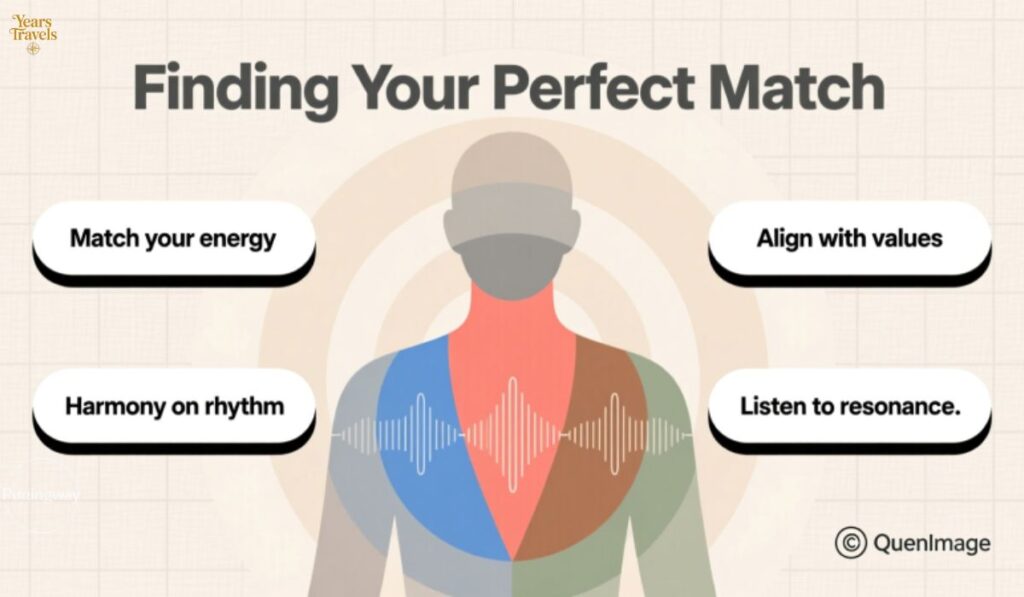
Different situations call for different word choices. Here’s how to pick the right alternative based on your audience:
| Situation | Best Alternatives | Skip These |
| Friends & Family | Super, Really, Totally, Ridiculously | Exceptionally, Thoroughly |
| Work Environment | Extremely, Incredibly, Absolutely | ASF, Super, Insanely |
| General Social Media | Unbelievably, Seriously, So | ASF (unless your brand is very casual) |
| Formal Writing | Exceptionally, Significantly, Considerably | ASF, Super, Totally |
Pro Tip: If you’re texting someone for the first time or unsure about their comfort level with slang, always choose a neutral alternative. You can always get more casual later, but starting too informal can create the wrong impression.
Before and After: Transforming ASF Statements
Let’s take common ASF phrases and upgrade them into polished, appropriate versions:
| Original Statement | Upgraded Version |
| “I’m hungry ASF” | “I’m extremely hungry” |
| “That game was fire ASF” | “That game was incredibly fun” |
| “Nervous ASF about tomorrow” | “Really nervous about tomorrow” |
| “This assignment is boring ASF” | “This assignment is unbelievably boring” |
| “I’m proud ASF of you” | “I’m so proud of you” |
Each transformation preserves the emotional punch while making the message suitable for broader audiences.
- The Psychology Behind ASF – Explores why people love using intensifiers and the emotional/social reasons behind ASF’s popularity
- The Evolution of Internet Slang – Traces ASF’s journey from underground forums to mainstream usage through three distinct phases
- Regional and Demographic Variations – Breaks down how different age groups, locations, and industries use ASF differently
- The Fine Line: Authentic Expression vs. Over-Reliance – Discusses the dangers of overusing slang and the importance of linguistic nuance
- Building Your Personal Communication Style – Provides a framework for developing flexible communication across casual, semi-formal, and formal registers
- The Future of ASF and Internet Slang – Predicts where ASF is headed and how language continues to evolve
- Practical Exercises – Offers four actionable exercises readers can use to improve their communication skills
The article now has much more depth and substance while maintaining the same engaging, informative tone throughout!
Frequently Asked Questions
What does ASF meaning in text?
ASF means “As F**”*, used to emphasize intensity like “very” or “extremely.”
Where did ASF meaning originate?
It started in online forums and social media chats as a way to express strong emotions quickly.
Is ASF meaning okay to use in professional communication?
No, ASF Meaning in Text is too informal for work or school, use “extremely” or “super” instead.
Can I use ASF in social media captions?
Yes, it’s fine for casual platforms like TikTok or Instagram, but keep your audience in mind.
What are polite alternatives to ASF?
Try words like extremely, unbelievably, totally, or super to sound expressive without being vulgar.
Wrapping Up: Master Your Message
Understanding ASF meaning in text goes beyond memorizing an acronym it is about developing communication awareness. While ASF can effectively emphasize emotions, it’s limited to casual contexts and carries potential risks.
Smart communicators know when to use slang and when to pivot to cleaner alternatives. Words like extremely, incredibly, and unbelievably deliver the same emphatic punch without any professional or social downsides.
The next time you’re crafting a text, post, or message, pause and consider: Who’s reading this? What impression do I want to create?
Don’t let casual slang limit your expression. Build a versatile vocabulary that works everywhere from late-night texts with friends to important professional correspondence. Your ability to adapt your language shows maturity, awareness, and genuine communication skill.
Conclusion
Understanding ASF Meaning in Text helps you keep up with modern online language while communicating clearly and respectfully. It’s a handy expression for casual chats but should be avoided in formal contexts.
The next time you type ASF in a message, remember its tone and meaning. Use it wisely, or replace it with polite alternatives like “extremely” or “super” to sound confident and appropriate in every situation.
