

Business Trend FTasiaFinance is revolutionizing how financial services operate across Asia. The rapid adoption of FTasiaFinance technology is reshaping banking, payments, and investment landscapes. Companies embracing digital finance trends are gaining competitive advantages through innovation and customer-centric solutions that traditional institutions struggle to match.
Asian fintech growth represents one of the most dramatic economic transformations in modern history. From mobile payments to blockchain applications, financial technology in Asia is setting global standards. The fintech ecosystem continues expanding as startups, tech giants, and traditional banks compete to deliver seamless digital transformation in finance experiences.
Future Trajectories and Emerging Opportunities

The Metaverse and Financial Services Intersection
The Metaverse and finance convergence is creating unprecedented opportunities for virtual economies. FTasiaFinance technology enables immersive banking experiences where users conduct transactions in digital worlds. Virtual real estate, NFT marketplaces, and decentralized finance platforms are reshaping how people interact with money in digital spaces.
The Next Wave of Financial Inclusion Innovations
Financial inclusion innovations are targeting Asia’s underserved populations with mobile-first solutions. Digital finance trends prioritize accessibility, offering microloans and savings accounts to previously unbanked population Asia. Fintech startups Asia are developing AI-driven credit scoring systems that evaluate alternative data, bringing millions into the formal financial system through smartphones.
Embedded Finance Beyond Current Applications
Embedded finance is transforming non-financial businesses into financial service providers. E-commerce platforms, ride-sharing apps, and social media integrate payments, lending, and insurance seamlessly. FTasiaFinance technology powers these integrations, allowing customers to access financial products without visiting traditional banks or opening separate accounts.
Quantum Computing Implications for Financial Security
Quantum computing in finance promises revolutionary encryption methods and faster transaction processing. Cybersecurity in finance faces both opportunities and threats as quantum capabilities emerge. Asian institutions investing in quantum-resistant algorithms today will dominate tomorrow’s fintech security landscape, protecting against sophisticated cyber threats.
The Evolution That Nobody Saw Coming
Pre-smartphone Era: Early Digital Finance Innovations
Before smartphones revolutionized everything, digital finance trends began with basic online banking and e-commerce platforms. Traditional institutions cautiously experimented with internet-based services, laying groundwork for today’s financial technology in Asia. These early innovations, though limited, proved consumers wanted convenient alternatives to branch visits.
Mobile Revolution: The Catalyst That Changed Everything
Mobile payments transformed Asia’s financial landscape overnight. Smartphones became digital wallets, enabling instant peer-to-peer transfers and cashless transactions. FTasiaFinance technology powered this revolution, creating super apps that integrated payments with daily activities like shopping, transportation, and entertainment, fundamentally changing consumer behavior patterns.
| Year | Mobile Payment Users (millions) | Transaction Volume (USD billions) |
| 2018 | 620 | 1,200 |
| 2019 | 740 | 1,560 |
| 2020 | 890 | 2,100 |
| 2021 | 1,050 | 2,750 |
| 2022 | 1,200 | 3,400 |
| 2023 | 1,350 | 4,100 |
| 2024 | 1,500 | 4,950 |
COVID-19 Acceleration: Digital Finance Adoption on Steroids
The pandemic accelerated digital transformation in finance by forcing millions online. Lockdowns eliminated cash transactions, pushing consumers toward digital wallets and online banking. Fintech growth in Asia exploded as first-time users discovered convenient alternatives to traditional banking, with many never returning to physical branches after restrictions ended.
Key acceleration metrics reveal the dramatic shift:
- 68% of Asian consumers increased digital financial service usage between 2020-2021
- One in three pandemic fintech users were first-time formal financial service participants
- Digital payments in Southeast Asia surged over 40% in volume during 2020
- Mobile banking app downloads grew 60% year-over-year across Asia
- Digital wallet usage jumped from 58% (2019) to over 70% by late 2021
- Online lending platform transaction volumes increased 2.5x between 2020-2022
Regional Pioneers Who Shaped the Landscape
China, South Korea, and Singapore pioneered Asian fintech innovation through bold experimentation. Companies like Alibaba and Tencent created mobile-first economy ecosystems that integrated finance into daily life. These regional fintech hubs demonstrated how technology could democratize financial access, inspiring innovation across emerging markets throughout the continent.
Payment Innovations Reshaping Commerce
Cross-border Payment Solutions Solving Friction Points
Cross-border payments Asia traditionally suffered from high fees and slow processing times. FTasiaFinance technology now enables instant international transfers at fraction of traditional costs. Blockchain-based solutions and real-time payment systems eliminate intermediaries, making global commerce accessible to small businesses and individuals previously excluded from international markets.
Read More:ASF Meaning in Text Everything You Need to Know About This Popular Slang in 2025
QR Code Dominance: Asia’s Payment Revolution
QR code payments dominate Asian commerce, offering simple, secure transaction methods. China and India lead adoption, with over 88% of urban populations using QR-based systems regularly. This payment innovation requires minimal infrastructure—just smartphones and internet connectivity—making it perfect for emerging Asian markets and street vendors alike.
| Country | QR Payment Usage (%) | Monthly Transaction Volume (USD billions) |
| China | 95% | 1,200 |
| India | 88% | 480 |
| Thailand | 76% | 85 |
| Vietnam | 69% | 42 |
| Indonesia | 65% | 58 |
| Philippines | 54% | 21 |
| Malaysia | 60% | 33 |
| Singapore | 82% | 27 |
Buy Now Pay Later (BNPL) Adoption Rates and Business Models
Buy Now Pay Later (BNPL) services are reshaping consumer finance across Asia. Young consumers prefer installment plans over credit cards, driving rapid adoption. Fintech startups Asia offer instant credit approvals using AI-driven financial solutions that assess risk through alternative data, creating accessible financing for millions without traditional credit histories.
Real-time Payment Systems and Central Bank Digital Currencies
Real-time payment systems and Central Bank Digital Currencies (CBDCs) are transforming national payment infrastructures. Governments recognize that instant, low-cost transactions boost economic activity. FTasiaFinance technology enables these systems, reducing transaction costs while increasing financial transparency and security through blockchain-based verification methods.
The ESG Revolution in Asian Fintech
Green Finance Initiatives Gaining Momentum
Green finance is becoming central to Asian business trends as climate concerns intensify. Financial institutions offer green bonds, sustainable loans, and carbon-neutral investment products. ESG fintech platforms use FTasiaFinance technology to track environmental impact, allowing investors to align portfolios with sustainability goals while generating competitive returns.
Climate Fintech Solutions Specific to Asian Challenges
Asia faces unique climate vulnerabilities requiring tailored climate fintech solutions. Platforms address monsoon flooding, rising sea levels, and air pollution through specialized insurance products and risk assessment tools. Carbon tracking technology helps businesses measure emissions, while green lending supports renewable energy projects across emerging fintech markets.
How Sustainability is Becoming a Competitive Advantage
Sustainability in finance differentiates forward-thinking institutions from competitors. Consumers increasingly choose providers demonstrating environmental commitment. ESG fintech companies attract more investment and customer loyalty by transparently reporting sustainability metrics. FTasiaFinance technology enables real-time impact tracking, making ethical investing Asia accessible and verifiable.
Impact Investing Platforms and Growth Metrics
Impact investing platforms connect investors with projects generating social and environmental benefits alongside financial returns. These platforms focus on clean energy, education, healthcare, and poverty alleviation. FTasiaFinance technology provides transparent reporting on both financial performance and real-world impact, attracting younger investors seeking purpose-driven wealth management.
Investment Tech Democratizing Wealth Management

Micro-investing Platforms Reaching First-time Investors
Micro-investing platforms eliminate traditional investment barriers by allowing tiny initial deposits. Users round up purchases to nearest dollar, investing spare change automatically. This financial accessibility approach targets young professionals and students, introducing them to wealth building through WealthTech platforms powered by FTasiaFinance technology that makes investing effortless.
Robo-advisors with Asian Characteristics
Robo-advisors provide automated investment management tailored to Asian preferences. These platforms consider local market conditions, cultural saving patterns, and regional regulatory frameworks. Artificial intelligence in fintech analyzes risk tolerance and goals, creating diversified portfolios while charging minimal fees compared to traditional wealth managers.
Wealth Tech User Demographics and Behavior Patterns
| Country | Primary User Age | Average Initial Investment (USD) | Most Popular Asset Class | Female Participation (%) |
| China | 25–35 | $3,200 | Mutual Funds | 42% |
| India | 20–30 | $500 | Equities | 28% |
| Singapore | 30–45 | $5,000 | ETFs | 46% |
| Indonesia | 18–30 | $150 | Digital Gold | 35% |
| Vietnam | 20–35 | $250 | Mutual Funds | 33% |
| Philippines | 18–30 | $120 | Cryptocurrencies | 31% |
| Thailand | 25–40 | $1,800 | Bonds | 38% |
| Malaysia | 25–40 | $1,200 | REITs | 40% |
Consumer adoption of fintech wealth management shows clear generational patterns. Millennials and Gen Z dominate platform usage, preferring mobile-first economy solutions over traditional brokers. WealthTech platforms attract diverse demographics, with increasing female participation as platforms emphasize education and community building alongside investment services.
Alternative Investment Marketplaces
Alternative investment marketplaces provide access to previously exclusive asset classes. Real estate crowdfunding, art investments, and collectibles become accessible through fractional ownership models. FTasiaFinance technology enables transparent pricing and secure transactions, allowing retail investors to diversify portfolios beyond traditional stocks and bonds.
The Asian Fintech Ecosystem: Players and Markets
Dominant Regional Hubs: Singapore, Hong Kong, Shanghai Compared
Singapore fintech hub leads through business-friendly regulations and government support. Hong Kong fintech growth leverages connections to mainland China and international finance. Shanghai fintech innovation focuses on domestic market scale and technological experimentation. Each hub offers unique advantages, attracting different fintech investment trends and specializations.
Regulatory Frameworks Driving Innovation
Regional regulatory frameworks balance innovation encouragement with consumer protection. Progressive regulators create sandboxes allowing controlled experimentation. Regulatory compliance in Asia varies significantly by country, requiring fintech startups Asia to navigate complex, evolving rules. Forward-thinking frameworks attract investment while maintaining data privacy in fintech standards.
Investment Trends: Where Venture Capital is Flowing
Venture capital in fintech increasingly targets emerging fintech markets beyond traditional hubs. Indonesia, Vietnam, and Philippines attract significant funding due to large unbanked populations. Fintech investment trends show growing interest in RegTech, WealthTech platforms, and ESG fintech as investors seek sustainable, scalable business models.
| Sector | 2018–2020 Investment Share | 2021–2023 Investment Share | Key Trend |
| Digital Payments | 40% | 28% | Mature sector; stable growth |
| Lending & Credit Tech | 25% | 22% | BNPL gaining traction |
| WealthTech | 10% | 16% | Robo-advisors surging |
| InsurTech | 7% | 11% | Health insurance adoption |
| RegTech & Compliance | 5% | 9% | KYC/AML demand rising |
| Blockchain & Crypto | 8% | 10% | DeFi platform growth |
| ESG & Green Finance | <1% | 4% | Sustainability focus increasing |
| Others (incl. Super Apps) | 4% | 6% | Service expansion continuing |
Emerging Powerhouses: Vietnam, Indonesia, Philippines
Vietnam digital finance grows rapidly as mobile penetration reaches rural areas. Indonesia fintech startups serve world’s fourth-largest population with diverse financial needs. Philippines fintech development leverages high remittance volumes and tech-savvy young population. These emerging Asian markets represent enormous untapped potential for financial services innovation.
Indonesian success stories demonstrate this potential:
- GoTo Financial evolved from ride-hailing to comprehensive financial super app
- OVO scaled nationally as digital wallet powering payments across industries
- Kredivo provides instant credit to millions through Buy Now Pay Later services
- Xendit became Indonesia’s first Y Combinator-backed unicorn as B2B payment infrastructure
Regulatory Technology and Compliance
Cross-border Compliance Challenges and Solutions
Cross-border payments Asia face complex regulatory requirements across jurisdictions. RegTech solutions automate compliance monitoring, reducing costs and errors. FTasiaFinance technology enables real-time reporting and risk assessment, helping firms navigate varying national requirements. Standardization efforts gradually simplify regional regulatory frameworks, though significant challenges remain.
Regulatory Sandboxes Driving Controlled Innovation
Regulatory sandboxes allow fintech startups Asia to test innovations under supervisor oversight. These controlled environments protect consumers while encouraging experimentation. Singapore, Hong Kong, and Thailand lead sandbox adoption, attracting international companies. Successful sandbox graduates often receive streamlined licensing, accelerating fintech growth in Asia through proven concepts.
KYC/AML Innovations Reducing Friction and Fraud
Digital identity verification and biometric authentication revolutionize Know Your Customer processes. Artificial intelligence in fintech detects suspicious patterns faster than manual reviews. KYC/AML innovations reduce onboarding time from days to minutes while improving fraud detection. FTasiaFinance technology enables seamless verification without compromising security or privacy.
Data Privacy Frameworks Unique to Asian Markets
Data privacy in fintech requirements vary dramatically across Asia. China’s Cybersecurity Law, India’s Data Protection Bill, and GDPR-inspired Southeast Asian regulations create complex compliance landscapes. Regulatory technology helps firms navigate these differences, ensuring consumer data protection while enabling financial services innovation across borders.
Digital Banking Revolution
Case Study: Success Stories from South Korea and Singapore
Digital banking in Asia succeeds through customer-centric design and seamless integration. South Korean digital banks achieved profitability within three years through low costs and high engagement. Singapore fintech hub digital banks like GXS and Trust Bank rapidly acquired hundreds of thousands of customers by offering superior rates and experiences compared to traditional institutions.
Why Traditional Banks Are Losing Ground
Traditional banks struggle with legacy systems, physical branch costs, and outdated processes. Digital transformation in finance requires massive infrastructure investments many established institutions delay making. Fintech startups Asia offer superior user experiences, faster services, and lower fees, attracting customers tired of bureaucratic traditional banking experiences and complex procedures.
The Unbanked Opportunity: Reaching New Demographics
Asian financial inclusion represents massive growth opportunity with hundreds of millions lacking bank accounts. Mobile-first economy solutions reach rural populations through basic smartphones. FTasiaFinance technology enables low-cost account management and microfinance services previously economically unviable. Digital lending platforms assess creditworthiness using alternative data like mobile usage.
Integration of Lifestyle Services with Banking Platforms
Super apps integrate banking with daily activities like transportation, shopping, and entertainment. Users manage finances while ordering food or booking rides. This embedded finance approach increases engagement and data collection, enabling personalized services. FTasiaFinance technology powers seamless integration, making financial services invisible yet omnipresent.
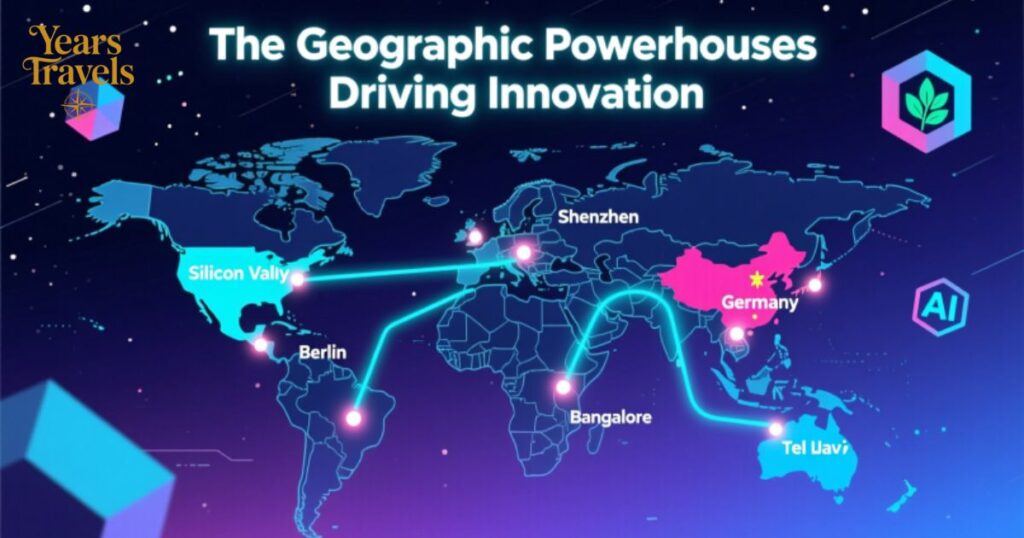
The Geographic Powerhouses Driving Innovation
Regional Pioneers Who Shaped the Landscape
China’s Alipay and WeChat Pay pioneered mobile payments at unprecedented scale. South Korea’s Kakao Bank demonstrated pure digital banks could challenge incumbents. Singapore’s DBS successfully transformed from traditional institution to digital-first leader. These pioneers proved Asian fintech could set global standards rather than follow Western models.
Investment Trends: Where Venture Capital is Flowing
Venture capital in fintech shows strong interest in B2B infrastructure and enterprise solutions. Payment gateways, lending platforms, and RegTech attract significant funding. ESG fintech and climate fintech solutions gain investor attention as sustainability becomes mainstream. Geographic diversification spreads capital beyond traditional hubs into emerging fintech markets.
Dominant Regional Hubs: Singapore, Hong Kong, Shanghai Compared
Each major hub offers distinct advantages for fintech ecosystem development. Singapore provides regulatory clarity and regional connectivity. Hong Kong bridges East-West finance with strong legal frameworks. Shanghai accesses massive domestic market and government support. Companies choose locations based on target markets, regulatory requirements, and talent availability.
Emerging Powerhouses: Vietnam, Indonesia, Philippines
These emerging Asian markets combine large populations, rising smartphone adoption, and favorable demographics. Young, tech-savvy populations embrace digital finance trends rapidly. Government initiatives support financial technology in Asia development, recognizing fintech’s role in economic growth. Infrastructure improvements and increasing internet penetration accelerate technology adoption rate significantly.
Transformative Technologies Driving Asian Fintech
Advanced AI Applications Beyond Chatbots
Artificial intelligence in fintech extends far beyond customer service automation. Machine learning predicts fraud, assesses credit risk, and personalizes investment recommendations. AI-driven financial solutions analyze spending patterns, optimize portfolios, and detect market opportunities humans miss. Natural language processing enables conversational banking interfaces understanding context and intent.
Blockchain Implementation Beyond Cryptocurrency
Blockchain in finance revolutionizes settlement, trade finance, and supply chain management. Distributed ledgers increase transparency while reducing reconciliation costs. Smart contracts automate complex agreements without intermediaries. FTasiaFinance technology leverages blockchain for cross-border payments, securities trading, and identity verification, creating trusted networks across organizational boundaries.
Biometric Authentication and Digital Identity Solutions
Biometric authentication replaces passwords with fingerprints, facial recognition, and voice patterns. Digital identity verification enables instant account opening and transaction approval. Multi-factor biometric systems provide security without sacrificing convenience. FTasiaFinance technology implements behavioral biometrics analyzing typing patterns and device usage for continuous authentication.
Cloud Infrastructure Enabling Scalability
Cloud infrastructure in fintech delivers on-demand computing power, data storage, and global network access. It enables platforms to scale securely and efficiently, handling millions of transactions with minimal latency. Services like AWS, Google Cloud, and Azure provide AI, analytics, and compliance tools vital for regulated financial systems. With FTasiaFinance technology built on the cloud, fintech companies achieve cost efficiency, resilience, and rapid innovation that traditional IT setups can’t match.
Super Apps: The Uniquely Asian Approach to Financial Services
Super apps combine multiple services within single platforms, creating sticky ecosystems users rarely leave. WeChat, Grab, and Gojek offer payments, messaging, shopping, entertainment, and more. This uniquely Asian approach generates network effects and data advantages competitors struggle matching. Embedded finance within super apps makes financial services seamlessly accessible.
Strategic Implementation Guide for Businesses
Partnership Strategies: Build, Buy or Collaborate?
Build vs buy model decisions depend on resources, timeline, and competitive positioning. Building internal capabilities provides control and customization but requires significant time and expertise. Acquiring proven technologies accelerates market entry but involves integration challenges. Fintech collaboration through partnerships balances risk while accessing specialized capabilities and markets.
Assessment Framework: Is Your Business Ready?
Business readiness assessment evaluates technological infrastructure, talent, capital availability, and market positioning. Companies must analyze competitive landscape, regulatory environment, and customer readiness. FTasiaFinance technology implementation requires adequate resources, clear objectives, and organizational commitment. Successful digital transformation in finance starts with honest capability evaluation and gap identification.
Implementation Roadmap with Realistic Timelines
Fintech roadmap development requires breaking initiatives into manageable phases with clear milestones. Short-term goals build foundation for long-term transformation. Technology adoption rate varies by organization and market, requiring realistic timeline planning. Successful implementations incorporate feedback loops, allowing strategy refinement based on early results and changing market conditions.
Risk Management Considerations Specific to Asian Markets
Risk management in fintech addresses regulatory, technological, economic, and cybersecurity threats. Emerging Asian markets present unique challenges including currency fluctuations, political instability, and evolving regulations. FTasiaFinance technology implementations require robust security, disaster recovery, and compliance monitoring. Diversification across markets and technologies mitigates concentration risks.
Success Metrics and KPIs to Track Progress
KPIs for fintech growth include user acquisition, retention rates, transaction volumes, and revenue per user. Operational metrics track automation rates, processing times, and error reduction. Fintech success metrics extend beyond financial performance to customer satisfaction, regulatory compliance, and market share. Real-time dashboards enable rapid response to emerging trends and issues.
Case Studies: Success Stories and Cautionary Tales
Deep Dive: A Unicorn’s Journey from Startup to Dominance
Successful fintech startups Asia combine innovative technology, customer focus, and adaptable strategies. Unicorns leverage FTasiaFinance technology for rapid scaling while maintaining service quality. They identify underserved markets, develop compelling value propositions, and execute flawlessly. Strategic partnerships, strong governance, and continuous innovation sustain growth beyond initial success.
Lessons from a High-Profile Failure
High-profile fintech failures teach valuable lessons about market timing, regulatory compliance, and sustainable business models. Common mistakes include underestimating regulatory complexity, burning through capital without achieving profitability, and failing to differentiate from competitors. Risk management in fintech requires conservative planning, regulatory expertise, and realistic growth expectations.
Traditional Financial Institution’s Successful Digital Transformation
Legacy banks successfully transforming embrace digital-first strategies while leveraging existing strengths. They invest in modern infrastructure, retrain staff, and partner with fintech innovators. FTasiaFinance technology enables gradual migration from legacy systems to modern platforms. Successful transformations balance innovation with regulatory compliance and risk management.
Cross-border Expansion Strategy That Worked
Successful market expansion strategy requires deep understanding of local regulations, customer preferences, and competitive dynamics. Companies adapt products for local markets while maintaining core value propositions. FTasiaFinance technology enables scalable infrastructure supporting multiple markets simultaneously. Strategic partnerships with local players accelerate market entry and regulatory navigation.
Technologies Reshaping The Financial Foundation

Cloud Infrastructure Enabling Scalability
Cloud infrastructure for fintech democratizes access to enterprise-grade computing resources. Startups compete with established institutions through elastic scaling and pay-as-you-grow models. Multi-region deployment ensures reliability and compliance with data localization requirements. FTasiaFinance technology built on cloud foundations achieves rapid innovation cycles impossible with traditional infrastructure.
Blockchain Implementation Beyond Cryptocurrency
Blockchain in finance creates immutable audit trails, automates settlements, and enables programmable money. Trade finance platforms reduce documentation processing from weeks to hours. Supply chain finance gains transparency through shared ledgers. Smart finance infrastructure leverages blockchain for tokenized assets, decentralized identity, and programmable compliance.
Advanced AI Applications Beyond Chatbots
AI-driven financial solutions transform risk assessment, fraud detection, and personalized recommendations. Predictive analytics identify customers likely to churn or default. Natural language processing extracts insights from unstructured data like news and social media. Artificial intelligence in fintech continuously learns and improves, becoming more accurate and valuable over time.
Biometric Authentication and Digital Identity Solutions
Biometric authentication eliminates password vulnerabilities while improving user experience. Liveness detection prevents spoofing attempts using photos or videos. Digital identity verification combines biometrics with document verification and data cross-referencing. FTasiaFinance technology implements privacy-preserving biometric systems storing templates securely, never raw biometric data.
The Super App Revolution That Changed Everything
Super Apps: The Uniquely Asian Approach to Financial Services
Super apps represent paradigm shift in platform strategy, offering comprehensive ecosystems users rarely leave. Financial services integrate seamlessly with daily activities, making money management effortless. This approach generates massive data advantages enabling hyper-personalized services. FTasiaFinance technology powers integration across diverse services while maintaining security and performance.
Integration of Lifestyle Services with Banking Platforms
Embedded finance transforms non-financial platforms into financial service providers. E-commerce sites offer point-of-sale financing. Ride-sharing apps provide insurance and savings products. Social media platforms enable peer-to-peer payments. FTasiaFinance technology provides APIs and infrastructure making financial service integration accessible to companies without financial expertise.
Cross-border Payment Solutions Solving Friction Points
Cross-border payments Asia traditionally suffered from opacity, high costs, and slow processing. Fintech solutions leverage blockchain in finance and direct bank relationships to eliminate intermediaries. Real-time exchange rates and transparent fees build trust. FTasiaFinance technology enables instant settlements and multi-currency wallets supporting seamless international transactions.
Buy Now Pay Later (BNPL) Adoption Rates and Business Models
Buy Now Pay Later (BNPL) reshapes consumer credit by offering transparent, interest-free installment plans. Younger consumers prefer BNPL over credit cards, avoiding interest charges and complex applications. Merchants benefit from increased conversion and basket sizes. FTasiaFinance technology enables instant credit decisions using alternative data and machine learning risk models.
FAQs
What is Business Trend FTasiaFinance?
It’s a rapidly growing movement in Asia combining finance and technology to modernize banking, payments, and investments.
Why is FTasiaFinance important for businesses?
It helps companies adopt digital tools to enhance efficiency, reach new markets, and reduce operational costs.
Which countries lead the FTasiaFinance trend?
China, Singapore, and South Korea are the leading hubs, followed by Vietnam, Indonesia, and India.
How does FTasiaFinance support financial inclusion?
By offering mobile-first solutions and microfinance tools that give unbanked populations access to digital financial services.
What is the future of Business Trend FTasiaFinance?
Continuous innovation in AI, blockchain, and sustainable finance will drive the next phase of Asia’s fintech growth.
Conclusion
Business Trend FTasiaFinance continues accelerating, transforming Asia into a global fintech innovation epicenter. Financial technology in Asia demonstrates how mobile-first economy approaches and super apps create comprehensive ecosystems traditional institutions cannot match. Companies embracing FTasiaFinance technology early position themselves for sustained success in rapidly evolving markets.
The future promises continued fintech growth in Asia through AI-driven financial solutions, blockchain in finance, and expanding financial inclusion. Organizations implementing digital transformation in finance strategies today will lead tomorrow’s Asian fintech landscape. Business Trend FTasiaFinance represents not just technological change but fundamental reimagining of financial services.